
Challenging Evidence in Complex Drug Crime Cases
Sept. 4, 2026
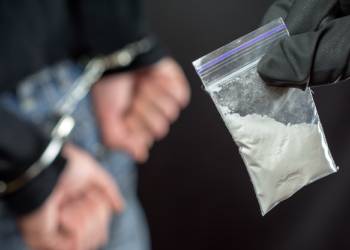 Facing complex drug crime charges can feel isolating and distressing. When law enforcement gets involved, your future, your freedom, and your reputation are suddenly on the line. It’s completely normal to feel intimidated by the prosecutor's office and the evidence against you.
Prosecutors rely heavily on physical evidence, digital records, and witness statements gathered during the investigation when pursuing drug crime charges. But that evidence is not necessarily beyond challenge. Legal procedures when collecting and handling evidence must be followed, and questions about how evidence was obtained or preserved may affect whether it can be used in court.
Contact me at James Hopkins Law Firm if you are facing charges for a drug-related crime. I can scrutinize every piece of evidence to confirm whether officers respected your constitutional rights throughout the process.
My defense practice serves clients across Central and Northern New York, including Syracuse, Cicero, Baldwinsville, Rome, Utica, Rochester, Oswego, Watertown, and beyond. Reach out to me today to discuss your case and safeguard your future.
Challenge Unlawful Search and Seizure Violations
The Fourth Amendment protects you from unreasonable searches and seizures conducted by law enforcement. In cases involving alleged drug crimes, police officers may gather materials without valid warrants or without establishing proper probable cause.
When defending against drug-related charges, I evaluate how officers conducted their search. Here are several common ways law enforcement violates constitutional protections during traffic stops or property searches:
Defective search warrants: Warrants must specify locations and items, and officers can’t search beyond those boundaries.
Warrantless vehicle searches: A traffic stop generally requires reasonable suspicion or another lawful basis, while a warrantless vehicle search generally requires a recognized exception to the warrant requirement, such as probable cause or voluntary consent.
Coerced consent: If police officers pressure or trick you into consenting to a search, that permission might not stand up in court.
Exceeding search limits: Even with a lawful search warrant, searching areas unrelated to the suspected illegal items violates standard legal protocols.
If a court determines that physical evidence was obtained through an unlawful search or seizure and no exception to exclusion applies, the evidence may be suppressed. Without crucial physical proof, prosecutors may reduce charges or drop the case entirely.
Expose Chain of Custody and Lab Testing Errors
Beyond how officers collect proof, prosecutors must show that seized items remained uncompromised from the moment of collection until trial. When dealing with charges for drug crimes, crime lab analysis plays a crucial role in identifying the exact weight and chemical structure of controlled substances.
As an experienced drug crime defense attorney, I use defense strategies that target administrative and technical breakdowns across evidence storage and testing facilities. These procedural vulnerabilities often include:
Incomplete evidence logs: Missing signatures or unaccounted time blocks in storage records may create reasonable doubt regarding sample handling.
Laboratory contamination: Improperly cleaned testing equipment can result in false positives or altered purity measurements.
Mislabeled sample bags: Swapped tracking numbers or incorrect weight entries can mean the substance analyzed in court isn't what officers seized.
Flawed testing methods: Field test kits may produce unreliable results, and technicians may need to run full gas chromatography tests to confirm substance composition.
Exposing gaps in the chain of custody creates serious obstacles for prosecutors. If the state can’t guarantee that the tested material matches what police officers originally collected, judges will not allow those laboratory results into court.
Question Wiretaps, Informants, and Digital Evidence Tactics
Modern investigations into alleged drug crimes rely heavily on technology, electronic eavesdropping, and confidential informants. Law enforcement agencies often use wiretaps, phone records, text messages, and undercover operations to build their files. However, these techniques require strict adherence to statutory rules and constitutional guidelines.
When questioning digital records and informant testimony, I examine several key factors to protect defense interests:
Informant credibility: Many informants exchange accusations for reduced sentences, making their statements unreliable or biased. As part of my defense strategy, I investigate informant backgrounds by reviewing prior criminal records, leniency agreements, and potential motives to falsify testimony, exposing critical credibility gaps that can undermine the prosecution's reliance on their statements.
Wiretap authorization issues: Officers must prove traditional investigative steps failed before obtaining wiretap orders from judges. I closely analyze wiretap applications and affidavits to make sure law enforcement met strict statutory necessity requirements.
Misinterpretation of communications: Prosecutors often misinterpret vague slang in text messages or audio recordings to claim criminal intent. I evaluate the full context of intercepted conversations and challenge the prosecution's subjective interpretations.
Entrapment tactics: Undercover officers can’t push law-abiding individuals into committing crimes they wouldn't otherwise commit. This is why I scrutinize police conduct and undercover interactions to uncover aggressive inducement or coercion tactics.
Challenging wiretaps and informant statements weakens the foundation of the state's case. Demonstrating that police bypassed legal checks or relied on dishonest sources helps prevent tainted evidence from reaching the jury during trial proceedings.
You Don’t Have to Face Drug Crime Allegations Alone
Facing drug crime allegations can feel terrifying, but you don’t have to carry that burden by yourself. When you work with me at James Hopkins Law Firm, I will protect your interests and carefully review police reports, challenge chemical analysis, and file motions to suppress illegal evidence to minimize the consequences.
With over 30 years of experience, I will stand beside you and work tirelessly to protect your rights. I assist clients throughout Central and Northern New York, including Syracuse, Cicero, Baldwinsville, Rome, Utica, Rochester, Oswego, Watertown, and beyond. Reach out today to schedule a confidential consultation.